Data privacy regulations have reshaped the way marketers collect, store, and use customer information. What once was a straightforward process of building an email list has become a legal responsibility with real financial consequences for getting it wrong. This guide walks through the major privacy laws marketers need to know, region by region, and offers practical steps to stay compliant while still running effective campaigns. Platforms such as Fresh Leads are designed with these regulations in mind, helping marketing teams collect and manage contact data responsibly.
Why Data Privacy Matters for Marketers
Privacy laws exist to give individuals control over their personal information, including how it is collected, stored, shared, and deleted. For marketers, this affects nearly every part of the customer journey, from the moment someone fills out a form to the emails and advertisements they receive afterward. Noncompliance can lead to significant fines, damaged customer trust, and in some cases restrictions on operating in certain markets. Understanding the rules that apply to your audience is now a core part of running a marketing program, not an afterthought handled only by legal teams. Regulators around the world are also increasing enforcement activity, which means the risk of ignoring these rules continues to grow year after year.
GDPR in the European Union
The General Data Protection Regulation, known as GDPR, applies to any organization that collects data from people located in the European Union, regardless of where the company itself is based. It requires clear consent before collecting personal data, gives individuals the right to access or delete their information, and requires companies to report data breaches within a set time frame. Marketers must be especially careful with email opt in practices, since GDPR generally requires an active, informed choice rather than a pre checked box. Full details are available from the official GDPR information portal.
CCPA and CPRA in the United States
In the United States, privacy law is handled at the state level rather than through a single federal statute. California has led the way with the California Consumer Privacy Act, later expanded by the California Privacy Rights Act. These laws give California residents the right to know what personal data is collected about them, the right to request deletion, and the right to opt out of the sale of their information. Other states, including Virginia, Colorado, and Connecticut, have passed similar laws with their own specific requirements. Marketers targeting a national audience often adopt the strictest applicable standard across all campaigns. For more detail, see the California Attorney General’s CCPA resource page.
PIPEDA in Canada
Canada’s Personal Information Protection and Electronic Documents Act, known as PIPEDA, sets rules for how private sector organizations collect, use, and disclose personal information during commercial activity. It requires organizations to obtain meaningful consent, limit collection to what is necessary, and allow individuals to access their own data. Canada also enforces strict anti spam legislation known as CASL, which places specific requirements on commercial electronic messages, including clear sender identification and an easy way to unsubscribe. Penalties under CASL can be substantial, so marketers sending into Canada should pay particular attention to how consent is obtained and documented before adding anyone to an outreach list.
Other Notable Regulations Around the World
Many other countries have introduced their own comprehensive privacy frameworks in recent years. Brazil’s Lei Geral de Protecao de Dados, commonly called LGPD, closely mirrors GDPR in structure and scope. Australia’s Privacy Act sets out similar obligations for businesses handling personal information, with reforms under active discussion. Japan, South Korea, Singapore, and South Africa each maintain their own data protection frameworks with distinct consent and notification requirements. For any business running international campaigns, it is worth reviewing the specific rules in each major market before launching outreach there, since a message that is perfectly acceptable in one country may require additional disclosures or a different consent process in another.
Best Practices for Marketers to Stay Compliant
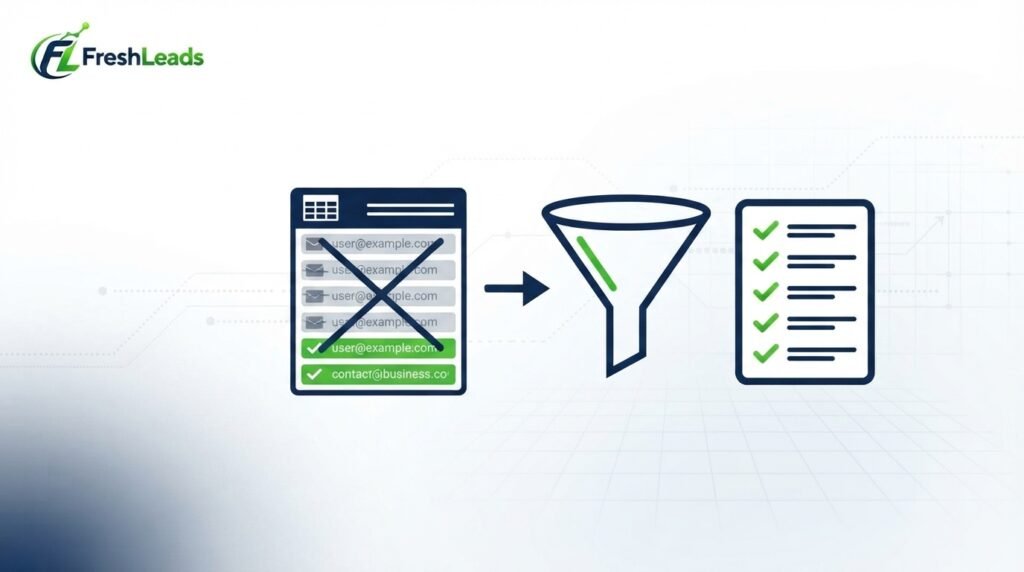
Regardless of which specific law applies, a few practices consistently reduce risk across regions. Always collect consent clearly and keep a record of when and how it was given. Make it simple for people to unsubscribe or request that their data be deleted, and honor those requests promptly. Only collect the information you actually need for your campaigns, and store it securely. Review your data practices regularly as regulations change. A platform such as Fresh Leads can help automate consent tracking and list management so compliance is built into your workflow rather than handled manually.
How Fresh Leads Helps You Stay Compliant
Managing privacy requirements across multiple regions by hand is time consuming and easy to get wrong. Fresh Leads helps marketing teams verify contact data, track consent, and manage unsubscribe requests from a single dashboard, reducing the manual work involved in staying compliant while campaigns continue to run smoothly. This kind of centralized approach also makes it much easier to respond quickly when a customer submits an access or deletion request, since all of the relevant data sits in one place instead of being scattered across separate spreadsheets and tools.
Frequently Asked Questions
Does GDPR apply to companies outside the European Union?
Yes. GDPR applies to any organization that processes personal data belonging to individuals located in the European Union, even if the company itself has no physical presence there.
What happens if a company does not comply with these laws?
Penalties vary by law and region but often include substantial fines, mandatory corrective action, and reputational damage. Some regulations also allow individuals to bring legal claims directly against noncompliant companies.
Do small businesses need to worry about privacy laws?
In most cases, yes. Many privacy laws apply based on the location of the customer rather than the size of the company, so even small businesses running campaigns internationally need to understand the relevant requirements.
Conclusion
Data privacy law will continue to evolve, and marketers who build compliance into their processes now will be far better prepared for future changes. Focus on clear consent, minimal data collection, and prompt handling of requests from your audience. Tools like Fresh Leads make it easier to manage these responsibilities while still running effective, targeted campaigns.