Most marketers focus their energy on subject lines, send times, and design, and then wonder why open rates keep slipping. Very often the real problem is sitting quietly inside the list itself. List hygiene is the unglamorous, ongoing work of keeping that list clean, and it has a bigger impact on campaign performance than almost anything else you do.
What List Hygiene Actually Means
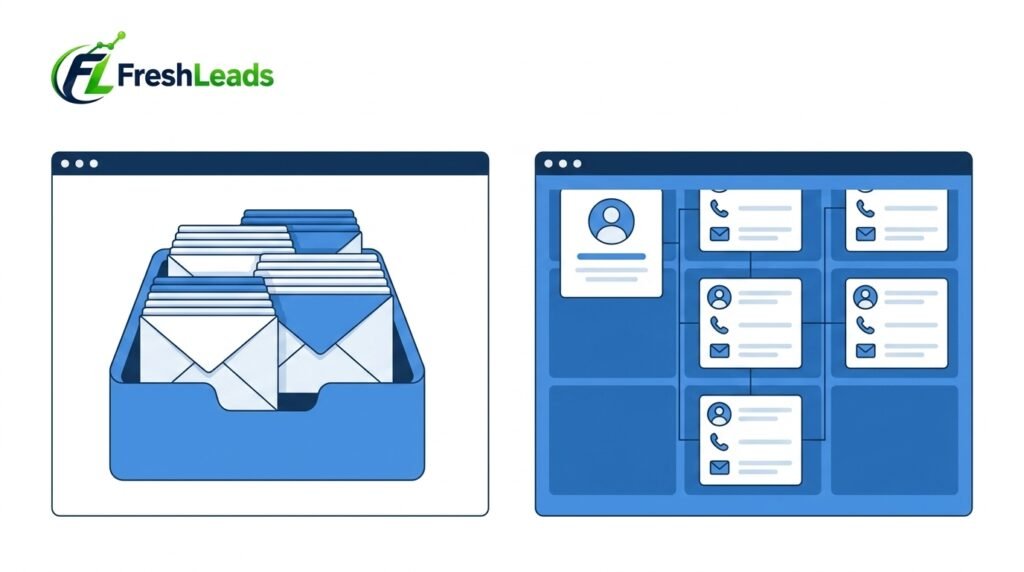
List hygiene is the ongoing practice of keeping a contact database populated only with valid, reachable, and genuinely engaged email addresses. It is not a single spring clean. It is a discipline that runs alongside every campaign you send, catching problems before they turn into bounces or spam complaints.
As Validity explains, a neglected list does not just underperform quietly. It actively works against you by damaging your sender reputation and wasting budget on emails that were never going to convert.
Signs Your List Needs Attention
- Bounce rates that creep upward with every send, even though your copy and targeting have not changed.
- Open rates that slowly decline over several months for no obvious reason.
- A growing number of spam complaints or unsubscribes on otherwise unremarkable campaigns.
- A list that has not been actively cleaned or reverified in the last six months.
Any one of these on its own might be a coincidence. Two or three together are a clear sign the underlying data needs work.
The Core Practices of Good List Hygiene
Good list hygiene is built from a handful of habits, applied consistently rather than occasionally.
- Verify new contacts before they ever enter your sending list, rather than after they have already bounced.
- Remove hard bounces immediately. A hard bounce means the address does not exist, and repeated attempts only damage your reputation further.
- Suppress inactive contacts. Subscribers who have not opened or clicked in three to six months should be moved to a separate, lower frequency list or given one clear re-engagement attempt before being removed.
- Segment by engagement level so your most active contacts are not diluted by contacts who barely open your emails.
- Watch for role based addresses such as info@ or admin@, which often reach a shared inbox rather than a real decision maker and can quietly inflate your bounce and complaint rates.
We cover the segmentation side of this in more depth in How to Segment Your Email List for Better Results.
What Poor Hygiene Actually Costs You
The consequences of ignoring list hygiene rarely show up immediately, which is exactly why so many businesses let it slide. Every bounce and every spam complaint quietly chips away at your sender reputation with mailbox providers like Gmail and Outlook. Once that reputation drops far enough, even your best written, most relevant emails start landing in spam for everyone on the list, not just the bad addresses. At that point, recovery is slow and often requires weeks of careful, reduced volume sending to rebuild trust.
According to Twilio, unengaged recipients who delete or mark your emails as spam send a clear signal to inbox providers that your content is unwanted, which directly affects whether future messages reach the inbox at all.
Building Hygiene Into Your Workflow From Day One
The easiest way to maintain a healthy list is to start with clean, verified data rather than trying to repair a messy one later. When contacts are sourced and checked properly before they ever reach your CRM, ongoing hygiene becomes a light maintenance task instead of a constant firefight.
This is the thinking behind FreshLeads’ Targeted Email Lists, which are built and verified before delivery so you are not starting your campaign with data you already need to clean. For audiences that do not exist in any off the shelf database, our BeSpoke custom list service researches and verifies every contact from scratch against your specific brief.
Frequently Asked Questions
How often should I clean my email list?
Most senders should review their list at least every three months, and immediately after any large import. Businesses sending very frequently or running cold outreach should check more often, since cold lists decay faster than opted in subscriber lists.
What is the difference between cleaning and scrubbing a list?
Cleaning usually refers to removing invalid or bounced addresses. Scrubbing goes a step further by also analysing engagement patterns and removing subscribers who are technically valid but never interact with your emails.
Does list hygiene matter differently for cold outreach than for newsletters?
Yes. Cold outreach has no existing relationship to fall back on, so there is almost no room for bad data. A single wave of bounces on a cold list can damage a domain far faster than the same issue on an engaged newsletter list.
Whether you are cleaning an existing list or starting fresh, verified data is always the better foundation. You can get a free sample of verified contacts to see the difference clean data makes to your next campaign.